

What’s the Difference Between Tiled and Mosaic Memory Quilts?
A memory quilt is a wonderful way to preserve memories from special times in your life. Whether it’s T-shirts, baby clothes, dress shirts, handkerchiefs, or jerseys, these quilts carry meaning in every stitch.
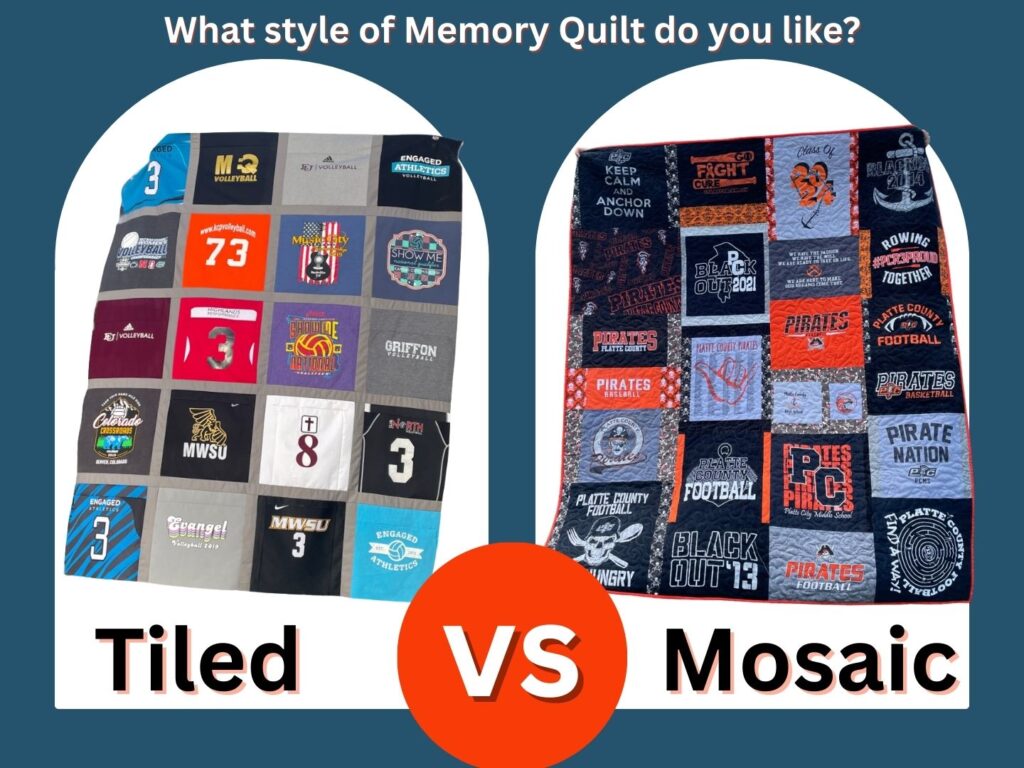
If you’ve started exploring your options, you’ve probably come across the two most common styles: tiled versus mosaic memory quilt. Choosing between them can feel confusing, but understanding how each works will make your decision easier.
What Is a Tiled Memory Quilt?
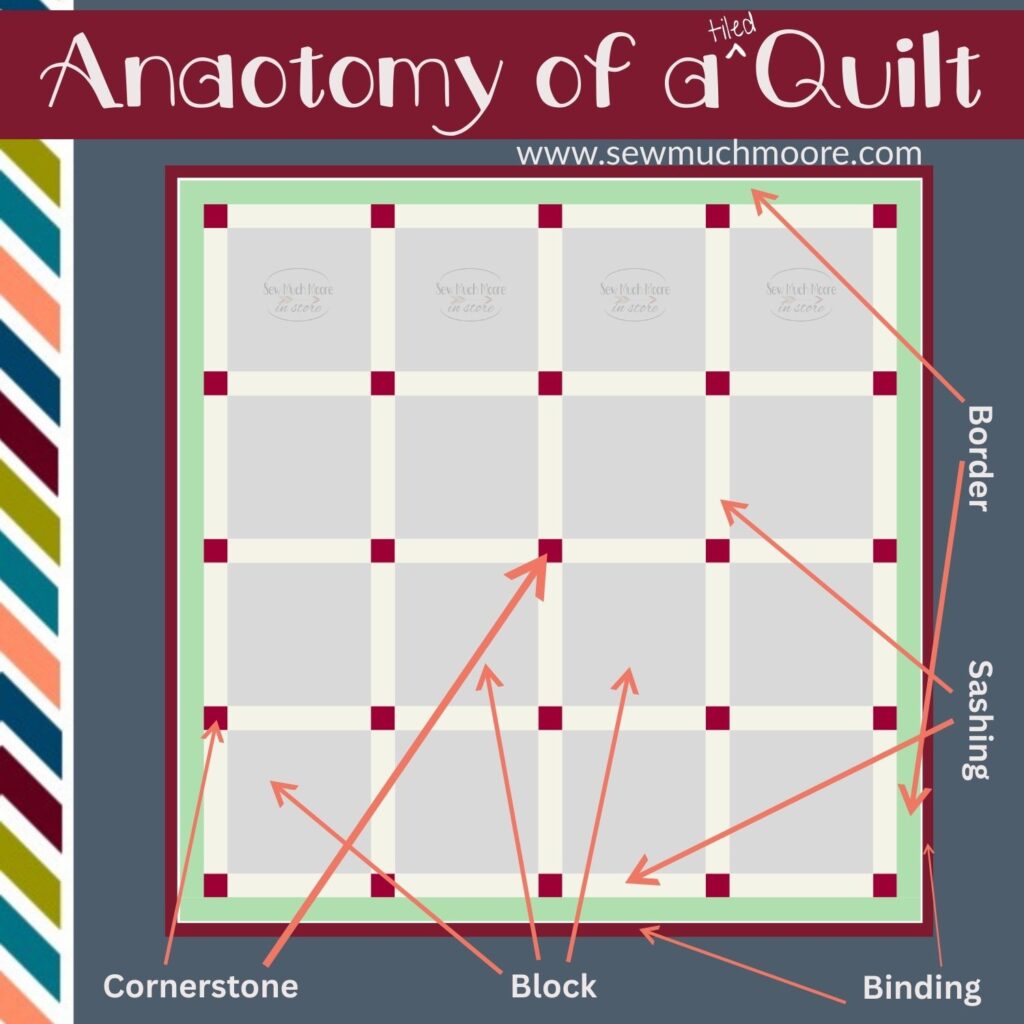
A tiled memory quilt has a clean and structured look. It is built in a grid, with blocks that are the same size. Each block is cut from a garment and arranged into even rows and columns. For example, 20 garments may become five rows of four blocks.
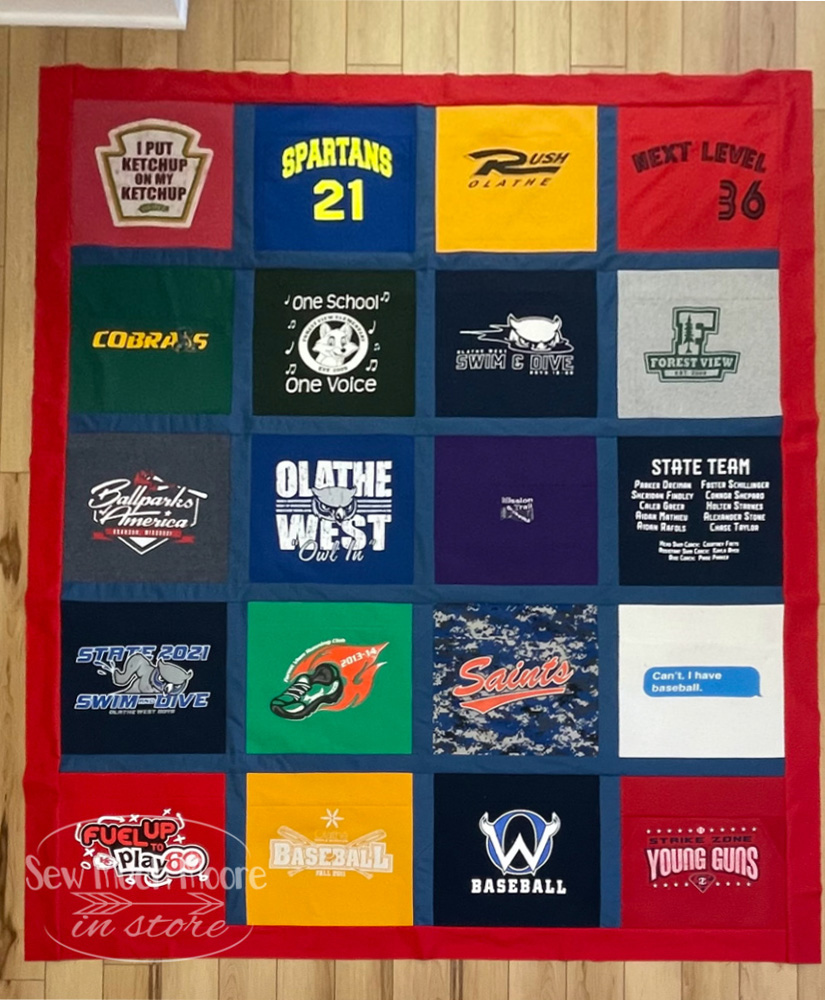
Tiled quilts are perfect if you want symmetry and balance. They work well for smaller collections, usually 20 to 25 articles or garments. Sashing, borders, and cornerstones can be added for more detail. If an article or garment design is small, fabric fillers or printed custom blocks can help create the right quilt size.
What Is a Mosaic Memory Quilt?
A mosaic memory quilt has more variety and flexibility. Instead of blocks all being the same size, each garment is cut based on its design. Some may be long rectangles, others large squares, and some small logo pieces.
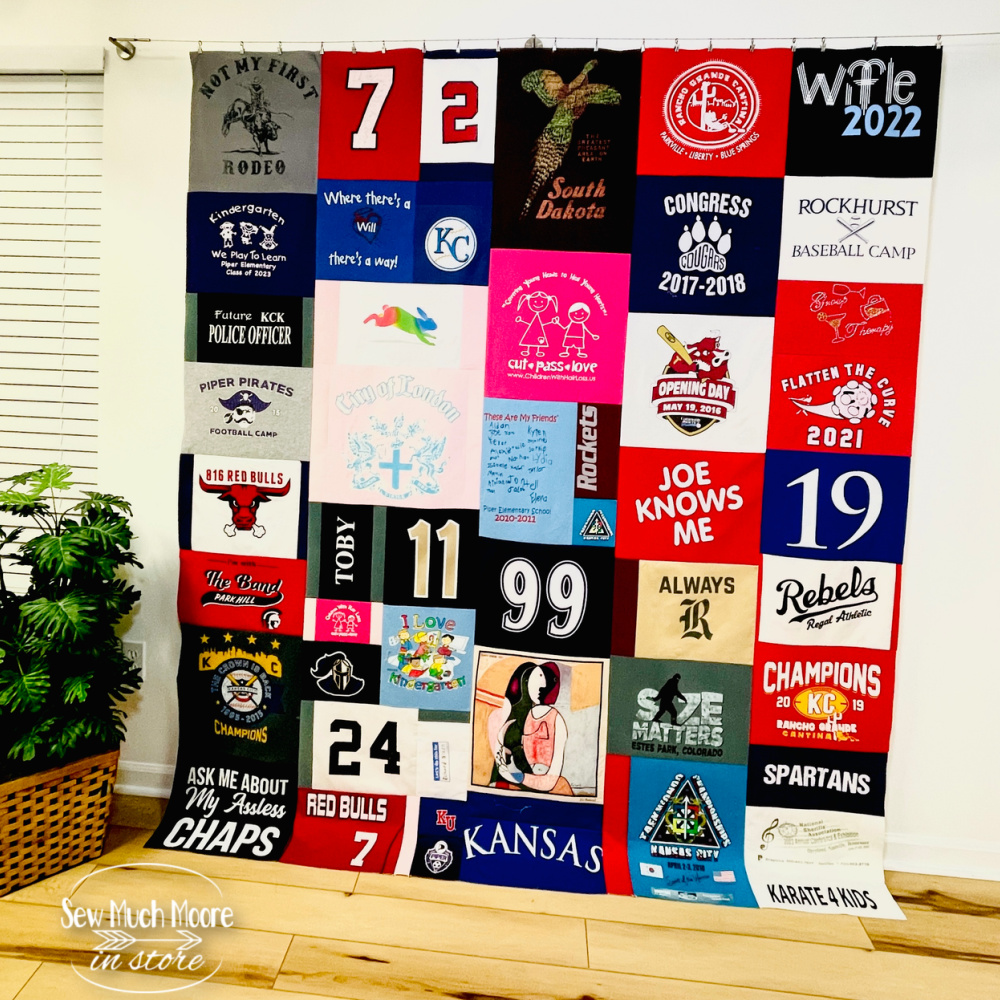
This style is best for large collections of 30 to 60 articles or garments. It allows every piece to fit together like a puzzle, creating a unique design. Solids or filler fabrics are added where needed to balance the layout. If you want a quilt that shows off lots of garments without being overwhelming and HUGE, a mosaic style may be the right choice.
How Quilt Pricing Works
The cost of a memory quilt depends largely on the number of garments or articles included. Each side of a garment is counted individually—the front and back together equal two pieces. In most cases, one garment provides enough fabric for a single block. However, if you want to combine multiple articles into one block, the process becomes more complex.
Each fabric has to be stabilized so the quilt lays flat and doesn’t end up wavy. In addition, extra design and prep work are required to piece different articles together in a way that looks cohesive. What might seem like “one block” could actually involve the work of three or four blocks because of the additional labor, design, and stabilization needed.
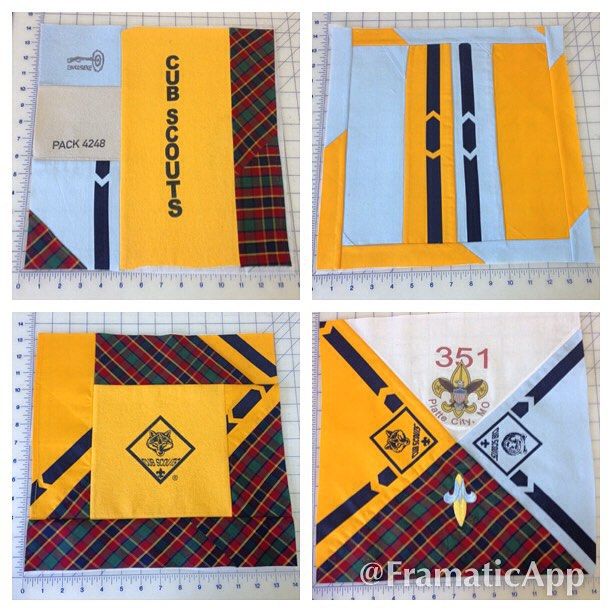
To ensure a high-quality finish, all garments are stabilized with interfacing before cutting. This prevents stretching and makes the quilt last longer. The more articles or garments you include, the more time it takes to prepare, piece, and quilt. To learn more about how to stabilize your fabrics – be sure to check out my article on How to Make a T-shirt Quilt!
Design Decisions to Consider
Once you know whether you prefer tiled versus mosaic memory quilt style, you will have a few design choices to make:
- Backing fabric: Choose a solid or patterned cotton, or go all out with a plush Minky backing. Minky is a premium option that adds cost, but it makes the quilt extra cozy and comfortable.
- Borders and sashing: Usually part of tiled quilts, but a border can also frame a mosaic quilt.
- Binding: Options include striped, solid, or patterned.
- Batting: Lightweight and airy batting is included. Heavier and dense batting is a premium upgrade.
- Quilting: A meander design is included in the base price. Custom robotic quilting with specific patterns is available for an added fee.
Add a Custom Label
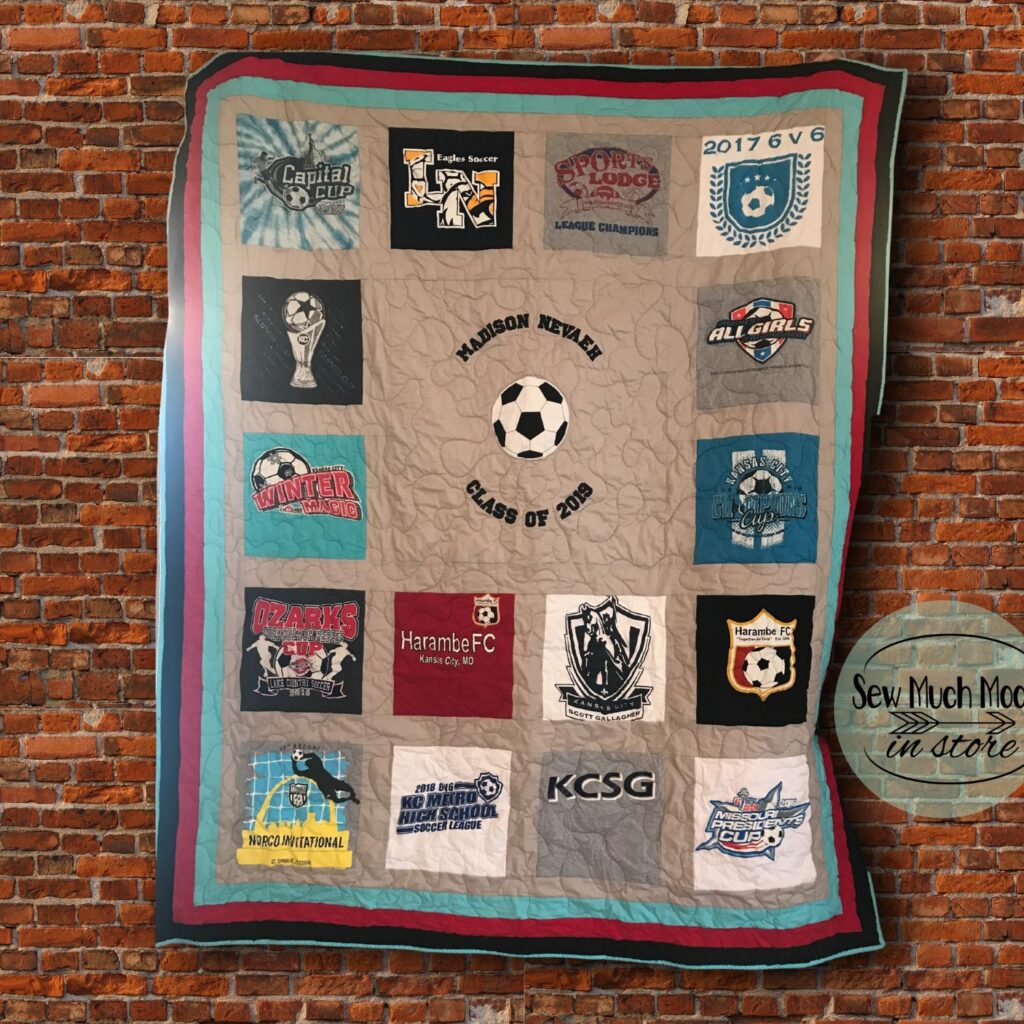
A unique option is to add a custom label on the back of your quilt. You can use many methods to create a custom quilt label. These can be for either the front or the back of the quilt. Here are a couple examples of custom labels. the first is an embroidered label on the front and the second is a custom designed and printed label for the back.
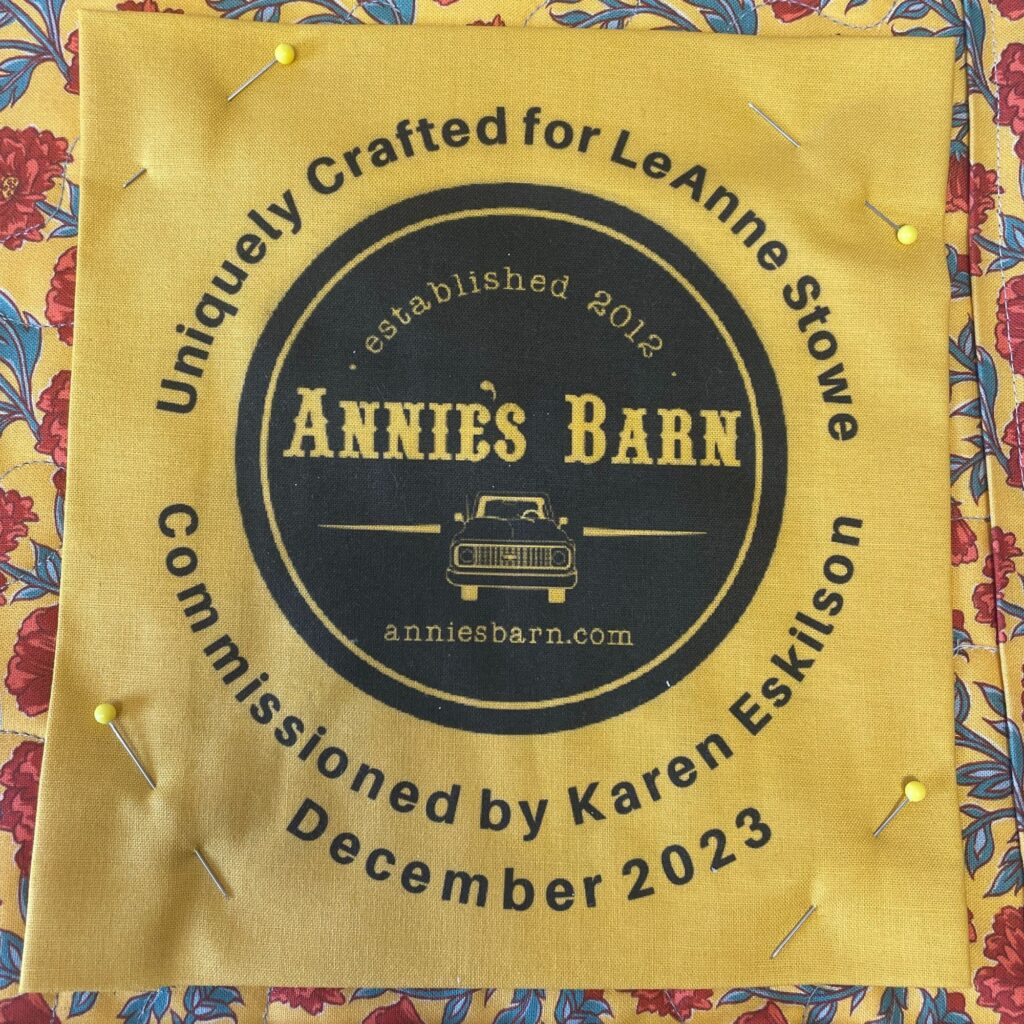
I use my Ricoh RI 100 direct-to-garment printer to print anything you’d like on fabric. This can include:
- Full-color photos
- Sentiments, names, or dates
- Custom Canva designs
It is a personal finishing touch that makes the quilt one of a kind.
Which Quilt Style Is Right for You?
When deciding between a tiled versus mosaic memory quilt, think about how many garments you want to use and what style you prefer.
- Choose tiled for structure, balance, and smaller collections.
- Choose mosaic for flexibility, variety, and larger collections.
Both options can be customized to include borders, special fabric choices, and even custom quilting. Either way, your memories will be transformed into something meaningful and lasting.
Ready to Get Started?
Your garments hold memories worth preserving. Whether you want to order a quilt or learn how to make one yourself, I can help.
👉 [Click here to order your custom memory quilt from me.]
👉 [Or check out my online course to learn how to make your own Memory quilt.]